
There are 165,000 marshes greater than one hectare in area, of which 132 peat lands are larger than 1,000 ha. There are approximately 7,000 swamps in Estonia which cover 22.3% of Estonian territory. Only Estonia’s northern neighbour, Finland, has a higher percentage of peat land.
Some marshes are about 10,000 years old. Most of the marshes in Estonia began as lakes which were gradually turned into quagmires by the spreading shoreline vegetation about 6,500 years ago. Others were formed by an opposite process, the paludification of mineral land.
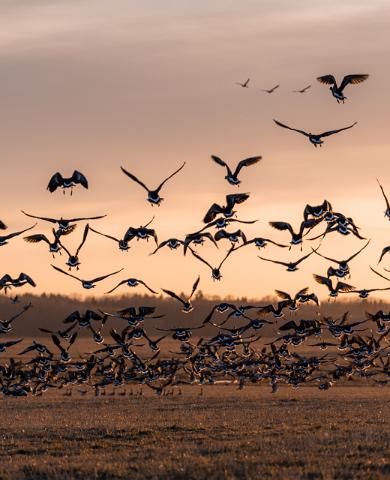
Bogs form one of the most interesting habitats for birds, especially for relic tundra species, such as the European golden plover and the whimbrel.
Of the forest-tundra plants inhabiting Estonian bogs, the shrub-like dwarf birch and the cloudberry are most common. About a quarter of Estonian plant species live in the marshes.
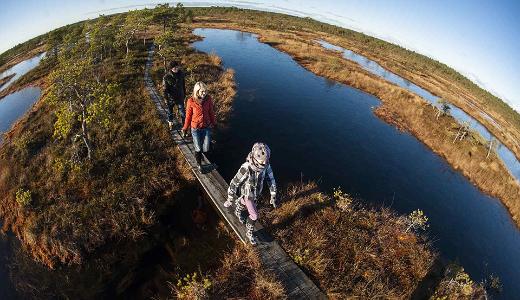
Estonian swamps are great for hiking and picking berries but can be quite dangerous for inexperienced people. Never hike in a swamp alone and consider taking a guide.
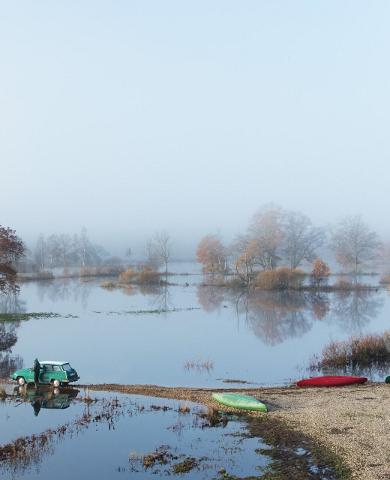
The best place to visit the swamps is Soomaa National Park where they cover the majority of the park. The peat layer is up to 7 metres in some places. The thickest peat layer — 17m — is recorded in Vällämäe bog near in the south east. Swamps like this don't exist anywhere else in Europe.