
Karula National Park makes up nearly a third of Karula Upland. Its unique hillocks are a spectacular example of a landscape designed by continental ice – it was created as a result of the uneven melting of the ice.
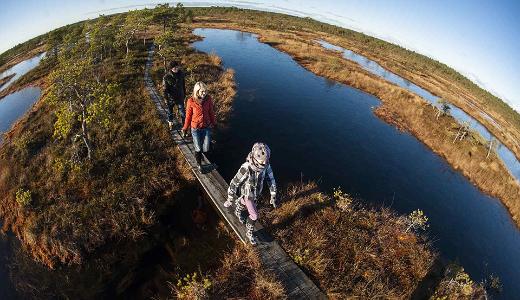
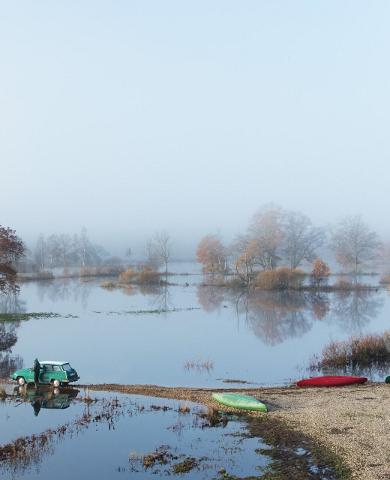
Natural landscapes form over 70% of the national park. The extensive forests of south-eastern Estonia also reach into the national park. Between the hills covered with woods, fields and meadows, there are tiny bogs, mires and 40 picturesque lakes.
30% of Karula’s landscapes are heritage landscapes formed by thousands of years of human activity. Low-density areas alternate with hillocks and the narrow fields, stretches of forest, patches of mires and meadows between them. Some of the farm buildings and fields are a century old. The historical Võru language , is still spoken here.
The visitor centre of Karula National Park is located at Ähijärve, by the largest lake in the area. You can walk around the lake and also take a look at an exhibition on local nature and cultural heritage.
If you are not afraid of gravel roads and hills, explore the national park on a bicycle! You will enjoy an unforgettable experience of southern Estonian traditions if you stop to take a longer look at the locals’ activities.