
In the 18th century it became a Russian naval base and the Russians renamed it as Балтийский Порт ("Baltiyskiy Port", a “Baltic Port”). The Estonian pronunciation, Paldiski, became the town’s official name in 1933
In 1962, Paldiski became a Soviet Navy nuclear submarine training centre. With two land-based nuclear reactors and employing some 16,000 people, it was the largest such facility in the Soviet Union. Because of its importance, the whole city was closed off with barbed wire until the last Russian warship left in August 1994.
Even today, 20 years later, the entire Paldiski and the Pakri peninsula are covered in abandoned bunkers, piles of unidentifiable junk and various military debris. Somehow the look of the abandoned apartment blocks and the hulking remains of Soviet military infrastructure make a fascinating spectacle worth seeing.
There is another good reason to visit Paldiski - the Pakri peninsula is also famous for its spectacular limestone cliffs and nearby family-friendly beaches. Pakri peninsula has Estonia’s highest lighthouse and is also home to rare black guillemots, which look like little penguins.
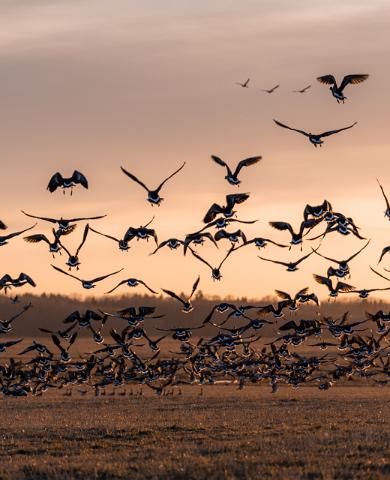
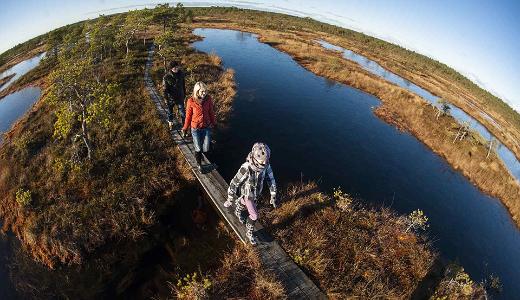
Paldiski is definitely not a stereotype tourist town but if you are interested in Soviet or military history, this is the place for you. It is also appealing to people interested in nature or bird watching.
Paldiski is just under 50km from Tallinn and easily accessible.