
Cycling is a fun and green way to enjoy the best of what Estonian cities, nature and culture has to offer.  Combine it with spa-holidays, museums, historic sights and bike through the small countryside villages and enchanting coastal regions.

In comparison to other European cities traffic is very low even in our capital Tallinn and the official Eurovelo routes will introduce you to our rich cultural diversity.

You can bring your own bike along or rent all necessary equipment here. Turn to your local Tourism Information Centre for more information about nearest rental spots, maps, routes and local sights.


City breaks and cycling:

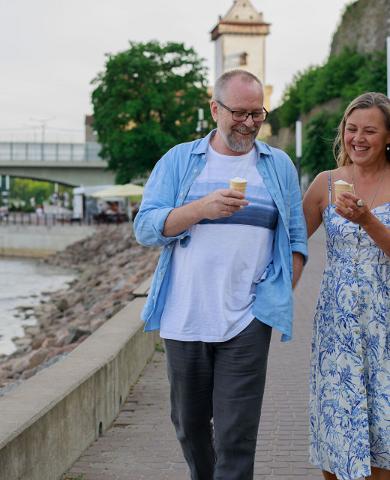
Our cities are small and getting on a bicycle will enable you to experience the architecture and beautiful scenery in a very personal manner.

Every year, Estonia is investing more and more into environmental care and new bicycle lanes are being developed and built. For example, there are 159km of bicycle routes in Tallinn alone and the development goes on.

Perhaps the most popular and scenic road in the area of our capital is located in the east-west direction – the Tabasalu – OldTown - Pirita route (a part of Eurovelo 10). It introduces you to the beautiful seaside views of the Nordic Clint, runs through medieval Tallinn Old Town and by Tallinn bay to Pirita, overlooking the wild swans, ducks and beautiful skyline of the central city where medieval Old Town meets modern skyscrapers. Visit Pirita monastery, have a coffee in Pirita harbour or yacht club and an afternoon picnic at the beach or Botanical Garden. As most of the bicycle lanes are separated from the roads, this is a well recommended and safe route for families travelling with children.

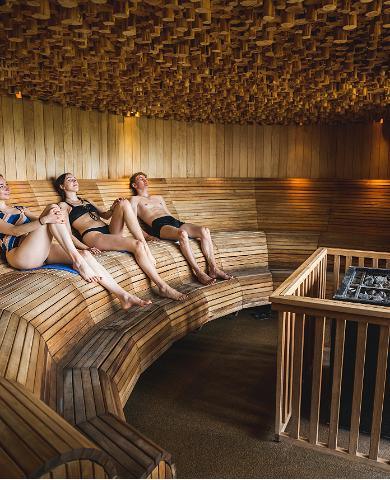
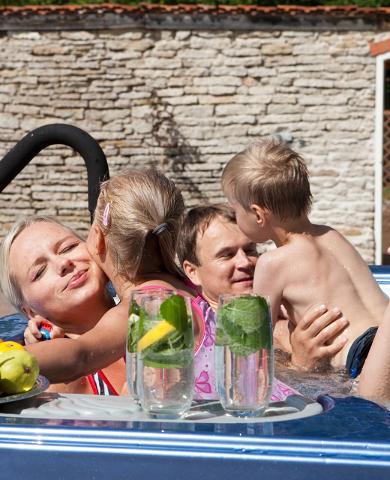
Smaller towns have less traffic and locals are used to riding their bikes on the main roads. If you have children with you, it is recommended to ride slowly and prefer the pedestrian lanes. A lot of hotels and wellness- and spa centres offer bicycles for rent, so why not combine the pampering with a little bit of cultural sports and tour the cities on a bike?


Enjoy the cultural diversity:

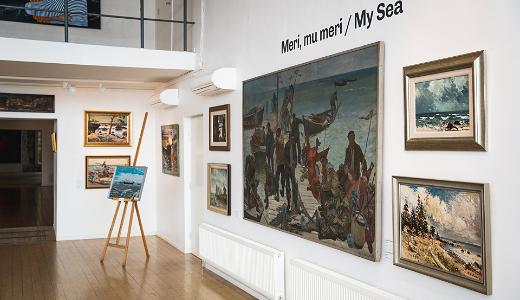
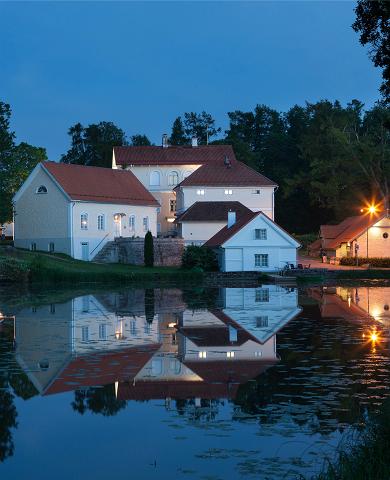
Rich historic background and heritage make Estonia a land of cultural diversity. Getting on a bicycle is a good way to explore the different traditions. There are thousands of manors in Estonia, hundreds of them restored and open for public and many serving as high class hotels and restaurants. Every city and town, including the smallest of them, have museums, theatres or culture centres where you can see not only the history, but get a good overview of modern Estonian art.

Short distances make it easy to enjoy a full cultural adventure – within 100km, you are bound to experience contrasts in architecture, traditions and a way of life. Visit the Old Believers villages by Peipsi lake, hear the Seto people enchanting songs, ride through the Scandinavian style villages of Coastal Swedes and enjoy the Russian history in Eastern Estonia. Should you have more time, we recommend you to take a tour in the islands, where past time and culture is well preserved and visible everywhere, from the architecture to the national clothing people wear to this day.

Visit any of the local Tourism Information Centres for ideas, tips and maps or for getting assistance on booking the accommodation, wellness and spa comforts and finding out about the best restaurants and upcoming events in the area.

Explore the best of nature by bike:

Northern Estonia, especially the coast line, is flat and suitable for all bikers, regardless of their experience and physical condition. There are plenty of routes available, passing the manors and fisherman villages and running through majestic pine forests. Much hillier Southern Estonia will push your limits, an effort well rewarded by the breathtaking scenery and plenty of lakes perfect for a cooling swim.

Over one tenth of Estonia’s land territory is designated a protected area – nature and landscape reserves and all 5 national parks are open for public and in most parts, very easily accessible by bicycle.

Lahemaa national park with it’s diverse wildlife, beautiful nature and forest tracks is among the most popular destinations and covers also a big part of the coastal area with beautiful small villages.

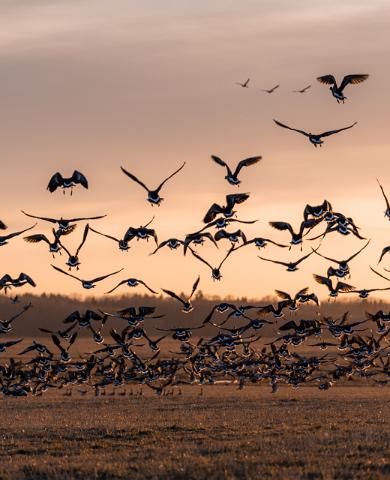
Matsalu national park is the paradise for all birdwatchers – it covers the Matsalu bay area, Kasari river delta and over 40 smaller islands.

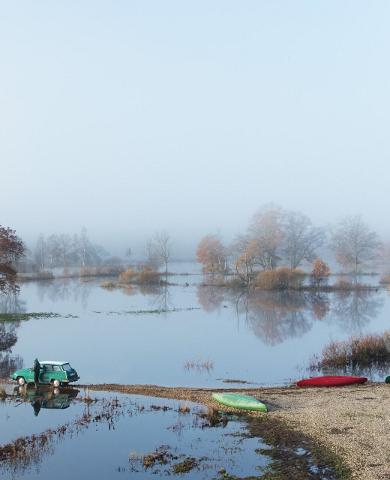
 Soomaa, land of the bogs and rivers, is especially beautiful from spring to autumn, when water levels are high and summer nights long and white. Visit the raised bogs, look out for eagles and take a canoe trip through wild untouched ancient forests and beautiful meadows.

Karula is the smallest of our national parks. You will enjoy it’s diverse landscapes of marshes, swamp-forests, small lakes, floret-covered hills and rare farmsteads.

Vilsandi national park in Saaremaa is known for it’s hiking trails, bird watching towers and landscapes typical to local islands. It is also a home to common eiders and a nesting place for grey seals.

Kõrvemaa is ideal for adventurous wildlife enthusiasts: sandy hills, mystic karst area, deep forest valleys and beautiful bogs are where you might spot a wild bob-cat (lynx) or even a bear.

Have a nature tour and explore the footprints of large mammals during winter; admire the massive bird migration during spring and autumn or combine your trip with swimming, beach life and picking berries during summer.

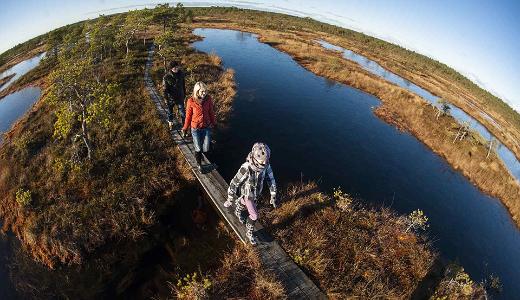
Many of our local bogs have wooden hiking trails and there are maps available for special routs in national parks. Turn to the nearest Tourism Informaton Centre for maps and tips on the best tenting and fishing spots, information about the local nature rarities and beautiful sights.

Cycling safety and tips:

  • Fun way to enjoy cycling is to try out different types of bicycles. You can rent mountain bikes for nature tracks or tour the city on a tandem. There are several different tandem bicycles available, 2-seated ones suitable for couples or those fitting even larger groups of up to 7. Just remember: although large tandems are as much fun to watch as they are to ride, they will put your balance and skills to the test.
  • All safety equipment, including lights, helmets and child seats, can be rented with the bicycle. One size does not fit all, so try them out first. Toddlers are required to be seated in safety seats or trailers and lights and retro-reflectors are mandatory for night-time riding. Helmets are recommended for adults, but required by the law for children under 16 years of age. In addition to fixed locks, use a wire padlock or similar when stopping and take your bike inside (and lock) when staying for overnight.
  • Reflectors are mandatory on Estonian roads! Be sure to have reflectors on  your clothing as well as on your bike (pedals, back- and frontside) and backpacks.
  • Use your hand to signal when turning or stopping and follow the general traffic and highway code.
  • Stop by the local Tourism Information Centres when taking a longer ride. You will find maps and brochures there as well as get the best tips about the area you are about to explore. It is also a very good place to ask about fishing and tenting spots, sightseeing, dining and accommodation or simply enjoying a friendly chat or putting together your own route.
  • Experience the beautiful and comprehensive tour by taking Eurovelo 10 route (marked as no. 1. part of route running along the Baltic Sea): from Latvian side, through islands to the Capital Tallinn and along North coast to St.Petersburg, signed distance 980 km. You could also enjoy the local Estovelo network, covering every county in Estonia. More information available at Estovelo website


Estonian cyclists:

  • Rein Taaramäe, a young Estonian cyclist (born 1987) came 2 among the youth group and 12 in the overall ranking in the Tour de France of 2011. 
  • Jaan Kirsipuu, an Estonian road racer, won several Tour de France stages and wore the jersey for six days in 1999. Although he has withdrawn from professional sports life, you can still spot him at local races and riding along the roads in Estonian nature.
  • Erika Salumäe, an Estonian track cyclist, won the first Olympic gold medal for Estonia after the country regained its independence in 1991. She has 2 Olympic gold medals in total.
  • The winners of European Mountainbike Marathon Championships are Estonians, all three podium places, Allan Oras on the highest.
  • Biggest bicycle racing event is the annual SEB Tartu Marathon. In 2009, there were 5092 bikers registered from 18 countries to take part in the 89km or 40km course – join in and test your skills, too!
  • Though skiing is the “unofficial national sports” of Estonia, there are more active cyclists than skiers and new generation of pro cyclists is fast growing.
  • Triathlon is also gaining more popularity each year and our hopes are high for the new upcoming star, young athlete Kirill Kotšegarov (Ironman Florida 2009).