
Estonians are in touch with nature and canoes have made their way into our hearts. What was once a practical and eco-friendly way to travel has become a popular leisure pursuit and serious sport.
Everyone can enjoy canoeing – and necessary equipment can be rented from almost 100 service providers around Estonia.
Families, especially with children, may enjoy canoeing in North Estonia - most rivers are narrow and slow and there are only a few (minor) waterfalls to watch out for. The national parks are good too - just pull in your paddle, keep quiet and if you are lucky you may see lynx, deer, otters or even bears.
South Estonia is more challenging. Beavers create dams and small staircase-like waterfalls. Their fast running water will make sure you won’t get too much rest.
Not challenging enough? You can paddle out to sea and visit one of Estonia’s 1,500+ islands but be aware the currents won’t let go of you before you reach Finnish or Swedish waters. This is only for very experienced canoeists.
In Estonia, the government owns the coastline and beaches and they have made it legal to land on any shore (about 10m of the beach is open to everyone).
Popular Canoeing Holiday Locations in Estonia
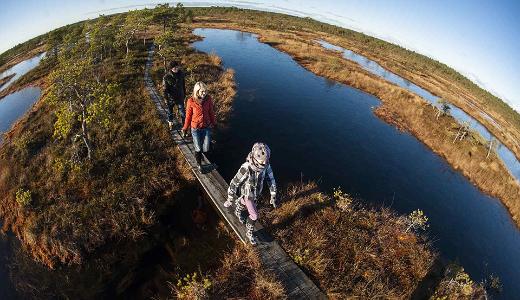
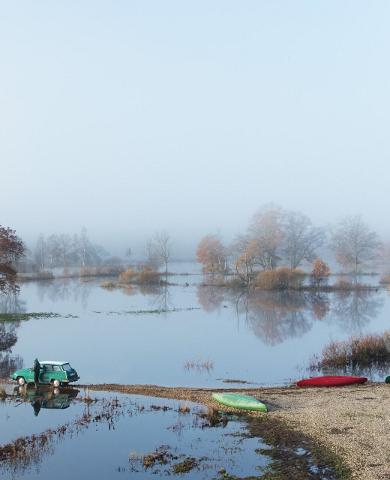
Soomaa (bogland) is a very popular canoeing destination. The bogs and rivers here are populated with a vast array of flora and fauna including wild orchids, beavers, wolves and eagles. If you are lucky then, after the winter snows melts, the area floods and becomes an even better canoeing location.
Kõrvemaa is loved for its diverse landscape and long, fast Valge river. During their mating seasons this is the place to see bobcats and bears.
Võhandu and Ahja rivers are recommended for their sand cliffs, caves and high pine forests but if you are scared of bats, avoid paddling at night.
Estonian Log Boats
Estonians still perform the ancient art of making wooden dugouts. These are hand-carved from a single log and expanded during the ritual of fire and water. These dugouts (or logboats) are the ancestors of modern canoes. The whole process, starting from choosing the right tree and drying it to carving and expanding takes about 2 years. In July, dugout carving courses take place in Soomaa National Park.