
Estonian Animals

Wild animals thrive in Estonia - our climate and ecological conditions suit many species.

There are currently 65 different species of mammals living in Estonian forests, among them brown bears, wolves, lynx, wild bears, deer and others. A species typical of taiga forests, the flying squirrel, still survives here but it is extremely rare. Discover the wolf, lynx and bear habitats in Alutaguse - the biggest forest area in Estonia, situated in North East of the country,  close to the Russian border.

Estonian Birds

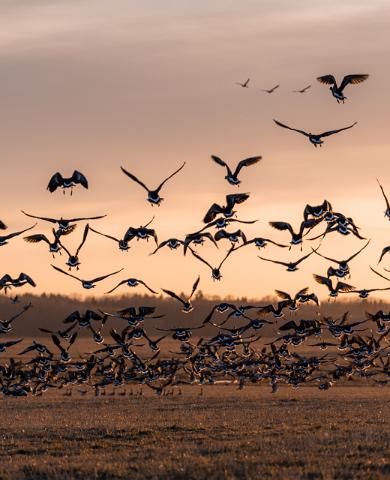
About 330 species of birds have been recorded in Estonia. Of these, 222 species breed in Estonia (206 of them regularly), 38 are transit migrants or winter visitors and the rest are occasional visitors. You can see birds everywhere in Estonia. They nest in parks, in forests, in swamps and on the beaches.

Estonian Fish

65 species of fish have been found in Estonian waters. Due to the low salinity of the water of the Baltic Sea, the distinction between marine and freshwater fish species is somewhat blurred. There are only a few typical marine species in Estonia. These are of Atlantic origin and are adapted to living in the Baltic Sea such as the sprat and Baltic herring.

Estonian Insects and Invertebrates

Almost 15,000 species of insects and over 3,500 species of other invertebrates have been recorded in Estonia. Amphibians are represented by 11 species. The common (brown) frog, the common toad and the spotted newt are common. Rare and strictly protected species are the natterjack along the west coast, the green natterjack found in the south east and on Piirissaar Island and the crested newt.

Estonian Plants and Fungi

About 1,500 different species of plants have been recovered in Estonia, among them 36 species of orchid. Several plant species are unique to the country, and have thrived well here. Well-known among these is the Saaremaa yellow rattle and lesser-known the Estonian saw-wort.

More than 3,700 species of fungi have been recorded in Estonia, while the actual number of fungus species is considered to have reached 4,500.

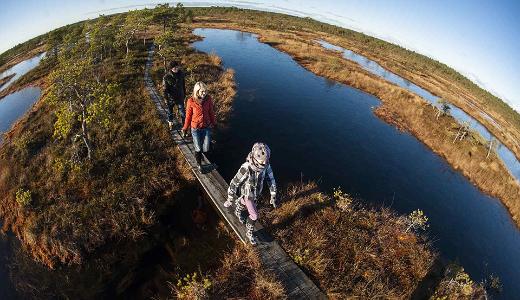
Estonia belongs to the northern part of the mixed forest sub-zone of a temperate forest zone. Due to a large variety of soil conditions and moisture regimes, many different types of forest grow here: fresh boreo-nemoral forests, fresh boreal forests, dry boreal forests etc. Most common trees in Estonian forests are pine, spruce, white birch, aspen and alder.

Estonia is traversed by an important European bio-geographical borderline between the East- and Middle-European, which divides the area into two large provinces. The northern and western parts of the country with their characteristic calciphilous plant communities of alvars, fens, wooded meadows and broad-leaved forests belong to the Mid-European province while the East, where acid soils promote the development of acidophilous plants and pine as the main forest-forming tree, belongs to the East-European province.

There are many events where visitors can see the diversity of Estonian fauna and flora. For example, Türi flower fair has been held in the prime of spring gardening time for the last three decades. As a sign of its growing popularity, the fair welcomes an ever-increasing number people interested in either selling or buying seeds and plants along with other things that one might need around the garden.