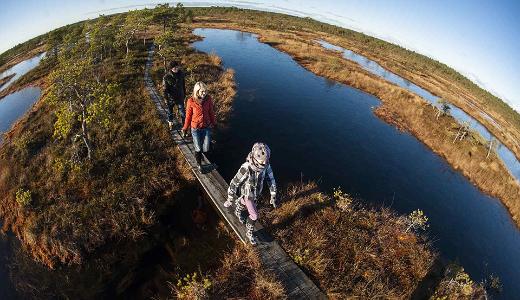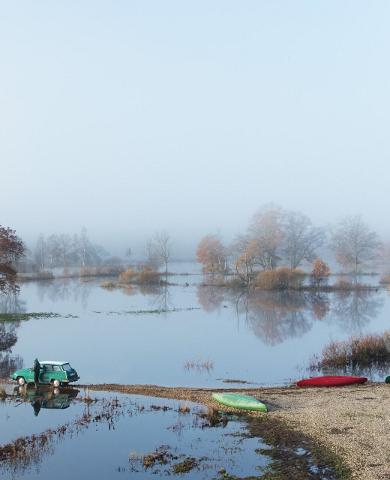

The most important protected areas in Estonia are: national parks, nature reserves and protected landscape reserves.

National parks (Rahvuspark): National Parks are protected areas of special national importance for the preservation, protection, investigation and promotion of awareness of the natural and cultural inheritance. Karula is the smallest national park – 12,300 hectares, and the biggest is Lahemaa – 72,504 hectares.

Nature Reserves (Looduskaitseala): A Nature Reserve is an area protected for its natural or scientific value, which is set aside for the preservation, protection, and investigation of natural processes and for endangered or protected plant, animal and fungus species and their habitats, inanimate objects, as well as landscapes and natural monuments. The smallest is Anne nature reserve in Tartu County – 16 hectares, and the largest is the Alam-Pedja nature reserve in Jõgeva, Viljandi and Tartu Counties – 34,219 hectares.

Landscape Reserves (Maastikukaitseala): A Landscape Reserve is an area of natural or cultural heritage value which is rare or typical for Estonia and is established for nature conservation, cultural or recreational purposes.

The protection regime in Estonia is based on the protection rules and the Nature Conservation Act. As of 1 July 2007, there are five national parks in Estonia, 129 nature reserves, 149 protected landscape areas and 124 protected areas with unrevised protection rules, (in addition to 543 protected parks and forest stands.) The smallest area under protection is a park in Tallinn, “Roheline turg” (“Greenmarket”), 0.05 hectares, and the largest is Lahemaa National Park. The average size of a protected area in Estonia is 759 hectares.