
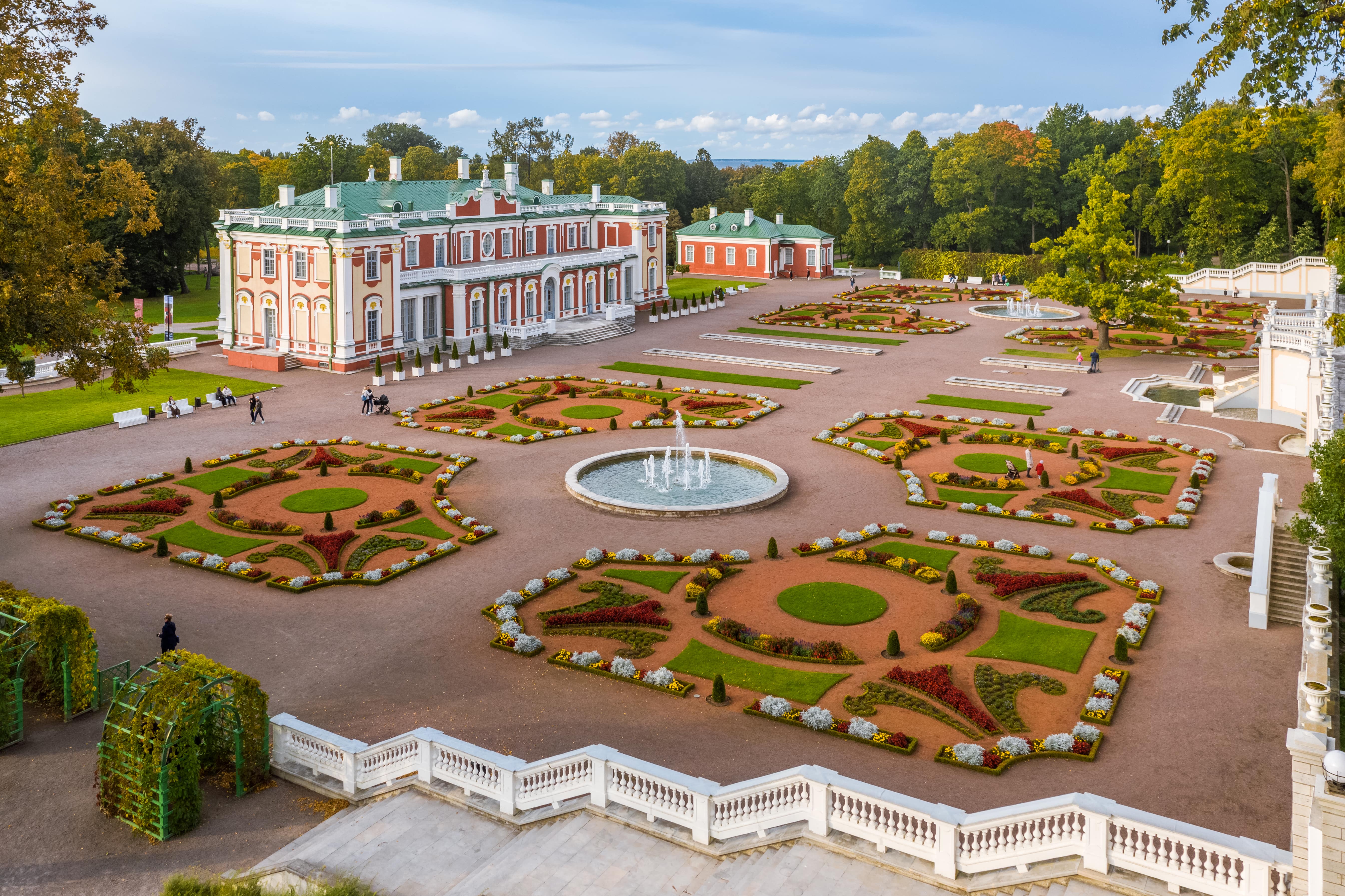
Tallinn, Estonia's laidback capital city
This city of about 450,000 people is a perfect holiday destination for those wanting to combine modern comforts, medieval charm, and coastal vibes.
Though Tallinn may be over 700 years old, it is looking towards the future.
Tallinn is never truly finished. Historic buildings are being restored, new architecture is emerging, museums and theaters are constantly evolving, and new shopping and entertainment centers continue to pop up.
In the morning, you can wander the streets of Old Town and marvel at buildings dating back to the Middle Ages. Then, in the afternoon, you check out an avant-garde art exhibition in what used to be an old submarine factory.
Thanks to Tallinn's compact footprint, there's a mix of old and new in every part of the city.
The walkable city center is one of the city's most attractive features.
Old Town may be the main draw, but lively neighborhoods with diverse dining and entertainment options are only steps away.
Don't let Tallinn's size fool you, though. It may be tempting to think you can cross it off your list in a day, but you'll have only just scratched the surface. The vibrant cultural scene, excellent fine dining, and fascinating history will make you want to spend a day or two (or more!) in Tallinn.
See & do more with a Tallinn Card
If you plan to visit several museums during your stay, get a Tallinn Card.
It grants free entry to Tallinn’s major museums and offers additional discounts on tours, in shops, and at restaurants. And the cherry on top? It gives you unlimited free travel on Tallinn’s public transport.
The Tallinn Card also comes with a free mobile app that helps you discover nearby attractions and provides personalized recommendations. Download the app via Google Play or the App Store.

Photo author: Rasmus Jurkatam, Visit Tallinn
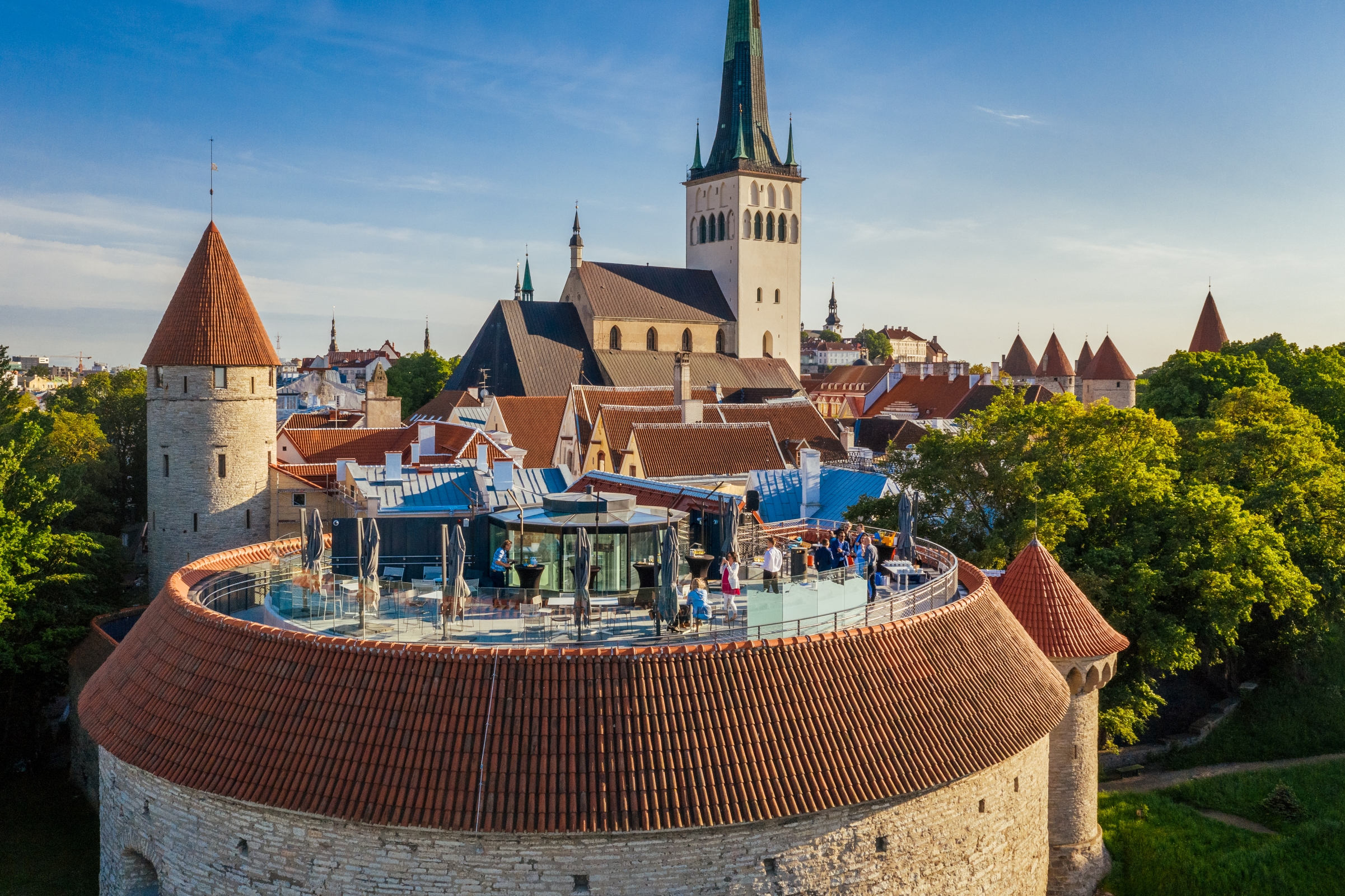
Tallinn's Old Town is a UNESCO World Heritage Site.
Tallinn boasts the best-preserved medieval Old Town in Northern Europe.
It was added to UNESCO's list back in 1997.
As part of the influential Hanseatic League, Tallinn was home to wealthy merchants who left their mark on the city's architecture. The city's iconic skyline is dotted with church spires and red-roofed towers.
Unlike many other capitals, the city’s historic buildings were not replaced by newer developments during the transition from the Middle Ages to the modern era. The city’s fortifications also protected it from major wartime destruction, while the extensive use of stone as a building material reduced the impact of fires. The street network and property boundaries established between the 11th and 15th centuries have remained largely unchanged. Most of the city’s important civic and religious buildings also survive in their medieval form, offering visitors a remarkable opportunity to step back in time.
Professional photographers and amateur Instagrammers will find endless options for the perfect backdrop, while history buffs can spend hours, even days, working their way through Tallinn's museums.
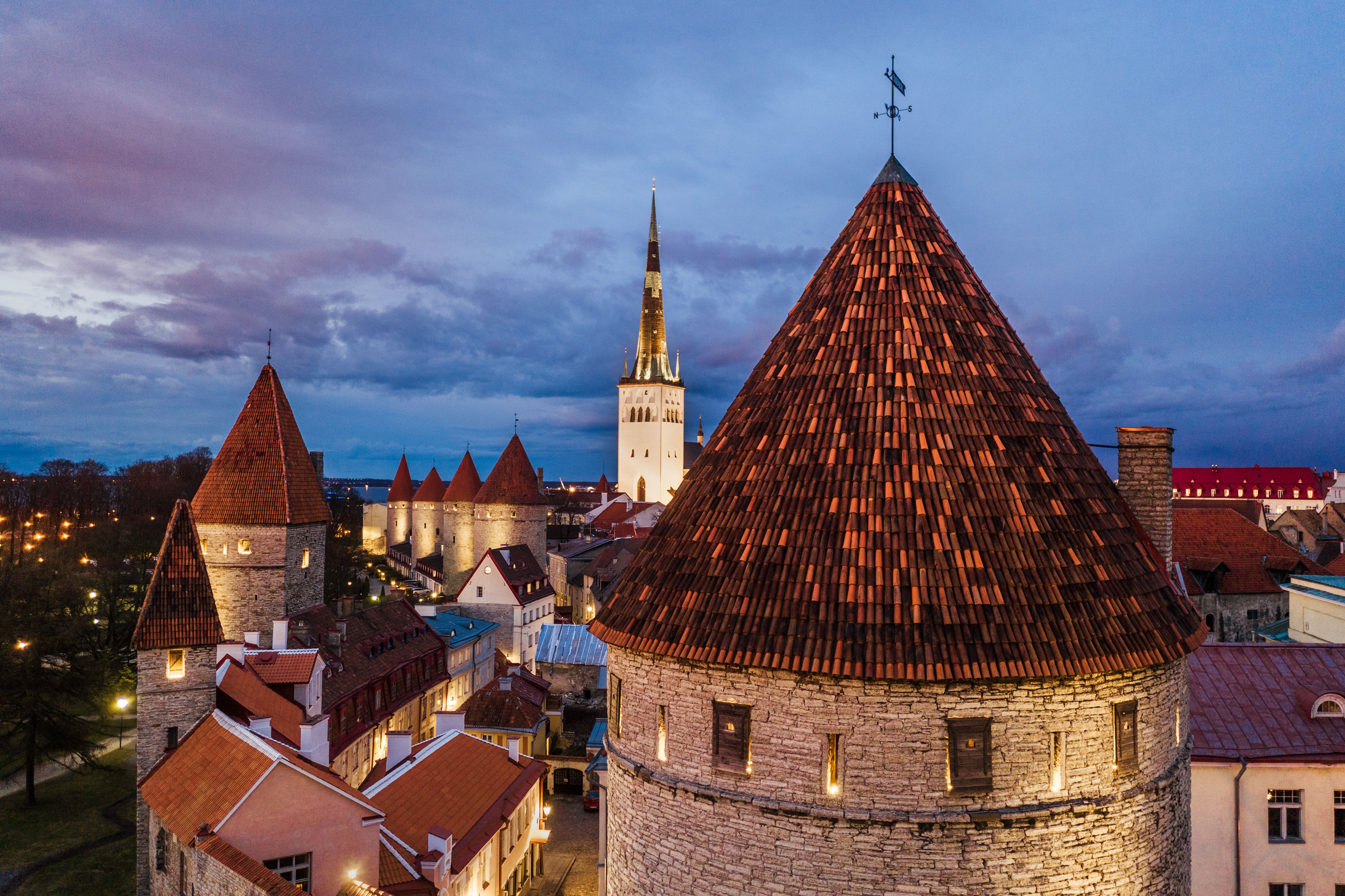
Photo author: Kaupo Kalda

A cultural calendar packed with exciting events
Festivals, concerts, sports, and more!
Every summer, visitors can experience the medieval splendour of the Old Town during both Old Town Days and the Medieval Days Festival. The waterfront becomes a vibrant festival area celebrating the city’s maritime heritage during Tallinn's annual Maritime Days.
In spring, Tallinn comes alive with the sounds of Jazzkaar, Estonia’s largest jazz festival, and Tallinn Music Week, an internationally acclaimed showcase of music, creativity, and urban culture. Autumn brings the enchanting Lights Walk in Kadriorg Park, while the Black Nights Film Festival (PÖFF) attracts film lovers from around the world with an outstanding programme of international cinema.
Winter’s highlight is the magical Christmas Market, one of Europe’s most charming holiday markets. Once the Christmas season has passed, food enthusiasts can continue the celebrating (and eating) at Kuklifest, a citywide festival dedicated to vastlakuklid, the cream buns eaten every year before the start of the Lenten season.
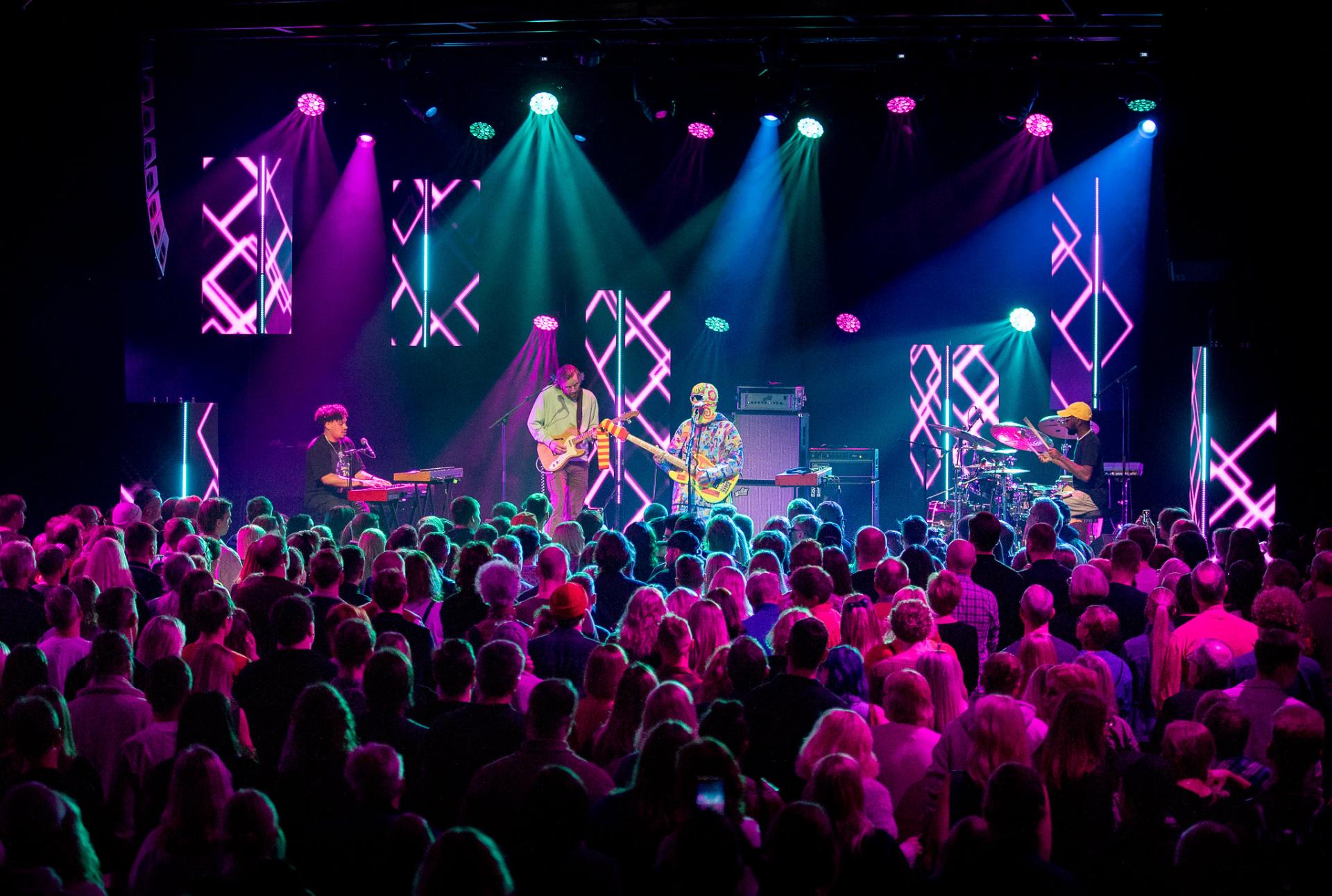
Photo author: Urmo Männi, Jazzkaar
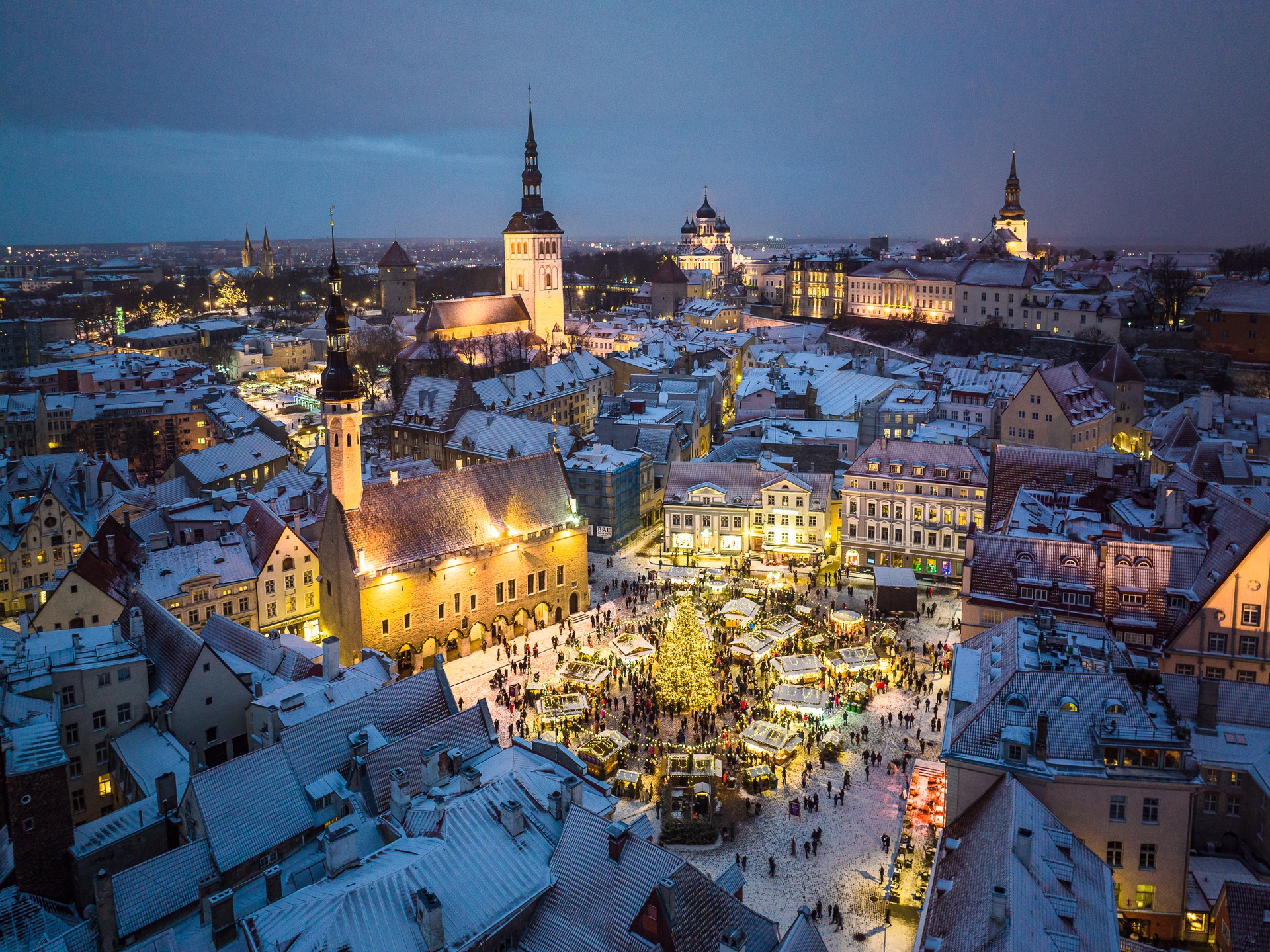
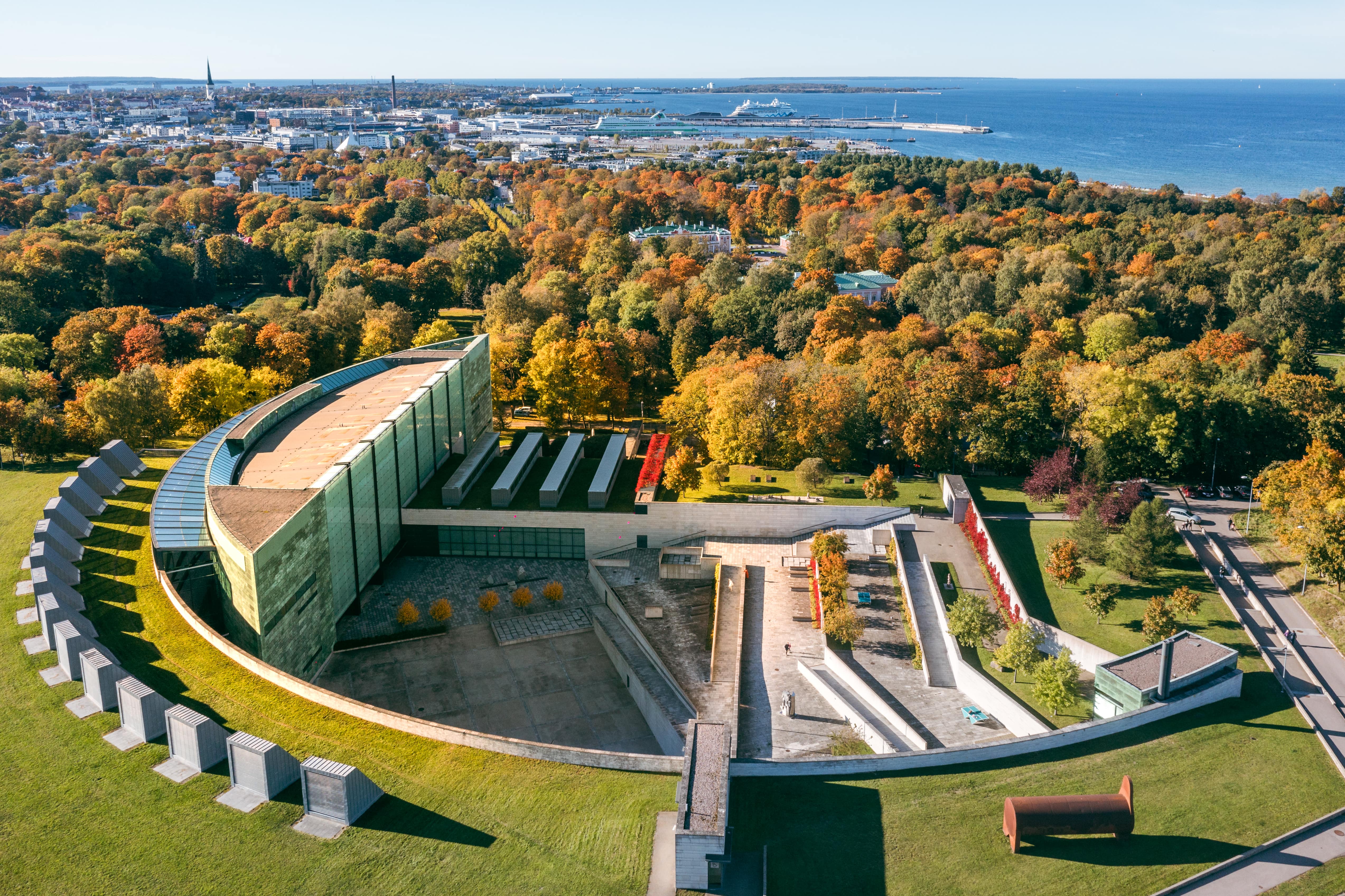
Photo author: Georg Svidlov
Coastal vibes...
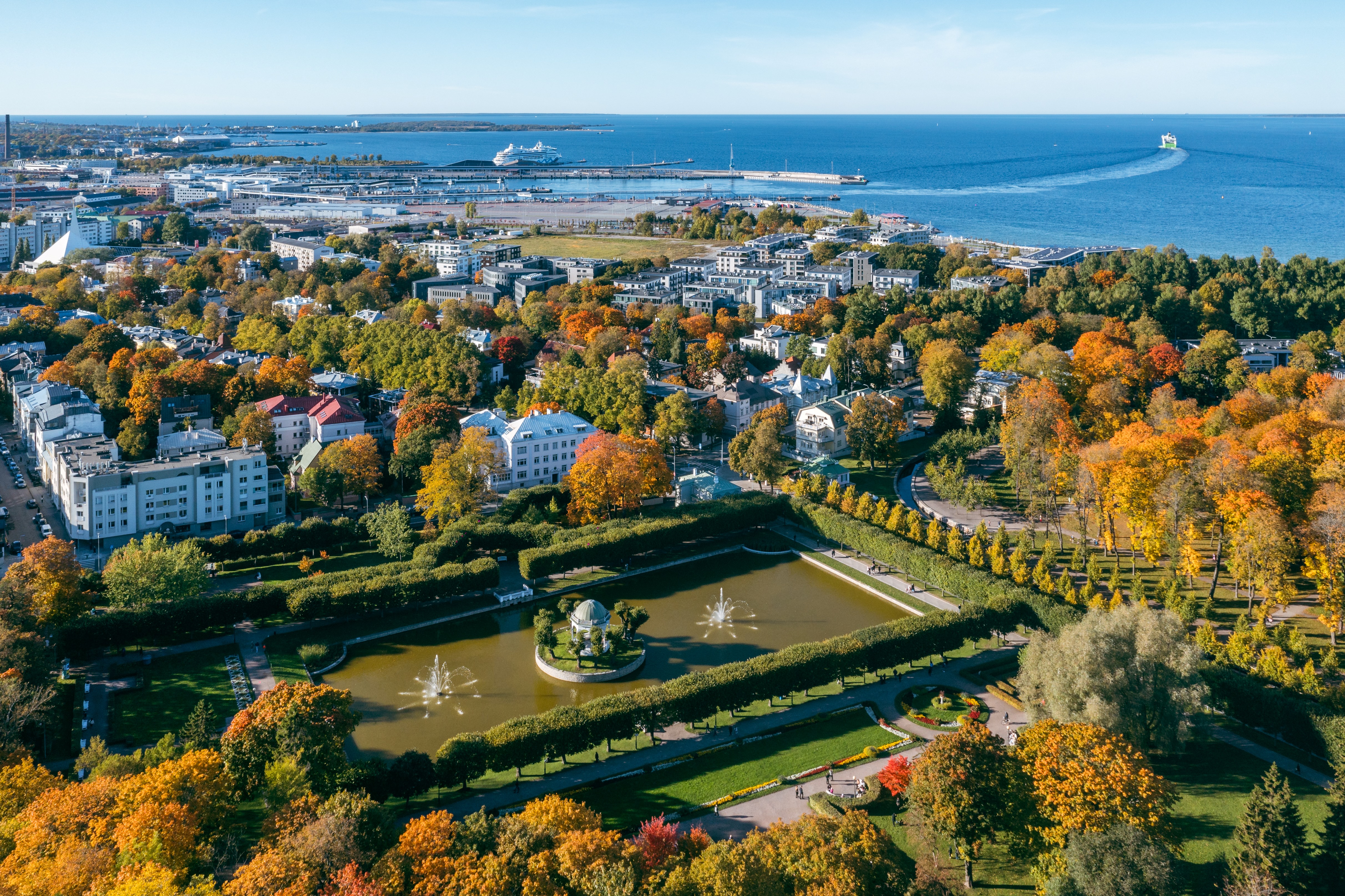
Tallinn has an alluring urban coastline.
In the past, Tallinn's seaside development was limited largely to industrial and military endeavors. However, the city has opened up to the sea, and now scenic promenades and bustling seaside areas are popular with both locals and visitors. For example, Paljassaare Peninsula was once a restricted militarized zone; now, it's a haven for nature lovers who can go forest bathing and wild swimming without having to leave the city. In the opposite direction, you'll find a promenade linking Kadriorg to Pirita's long sandy beach.
...and great food
Estonian food is known for its focus on seasonal ingredients and modern takes on traditional techniques.
Tallinn is home to Estonia's only MICHELIN-Starred restaurants and one of Estonia's three Green Star restaurants. If you're looking for something quick and casual, indulge in the city's bakeries and coffee shops. Regardless of the venue, menus often change with the seasons, as many restaurants strive to use freshly sourced ingredients from local suppliers.
To find out more about what Tallinn has to offer, go check out Visit Tallinn, the city's official tourism website.
Get to know Tallinn's different neighborhoods
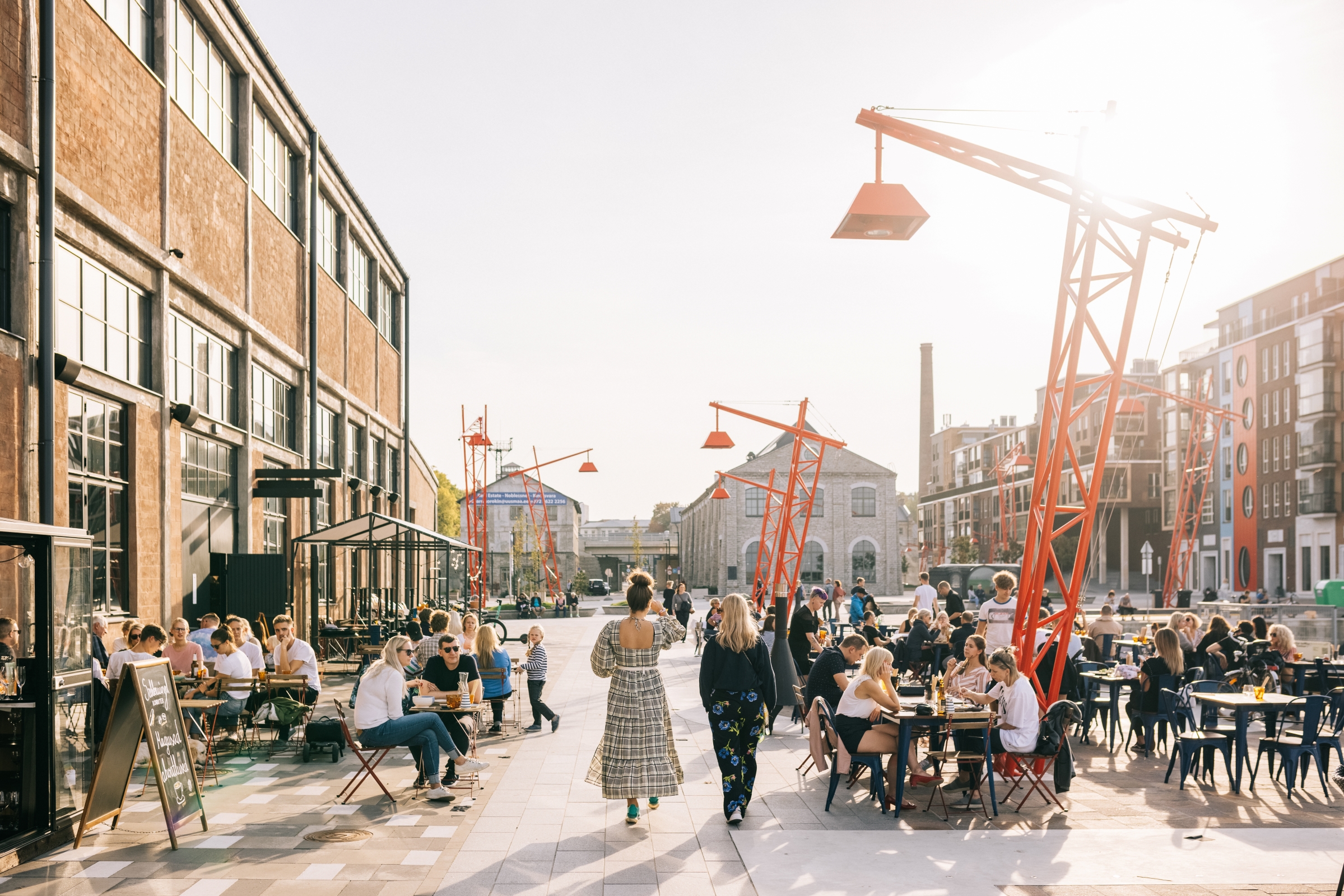
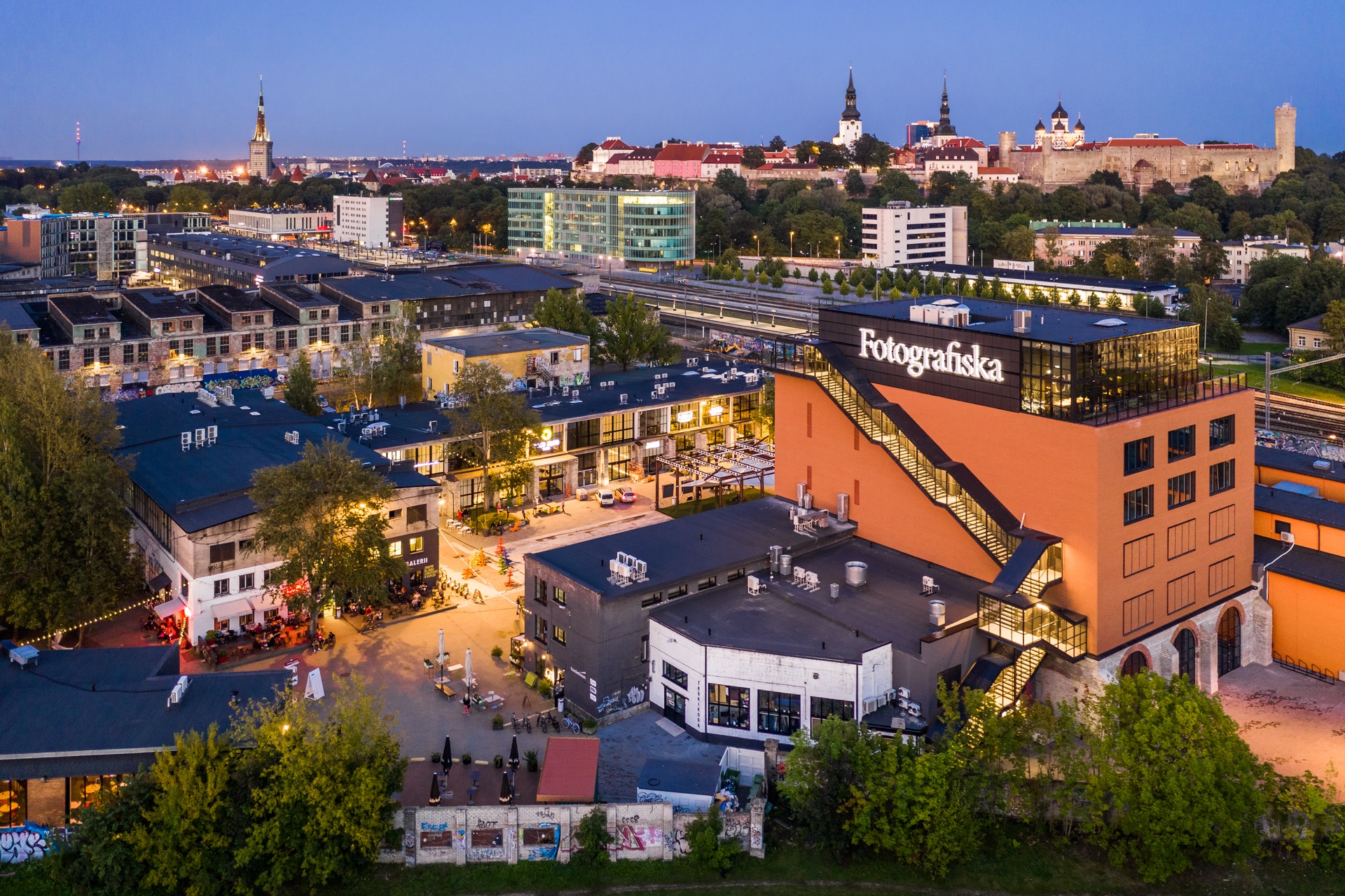
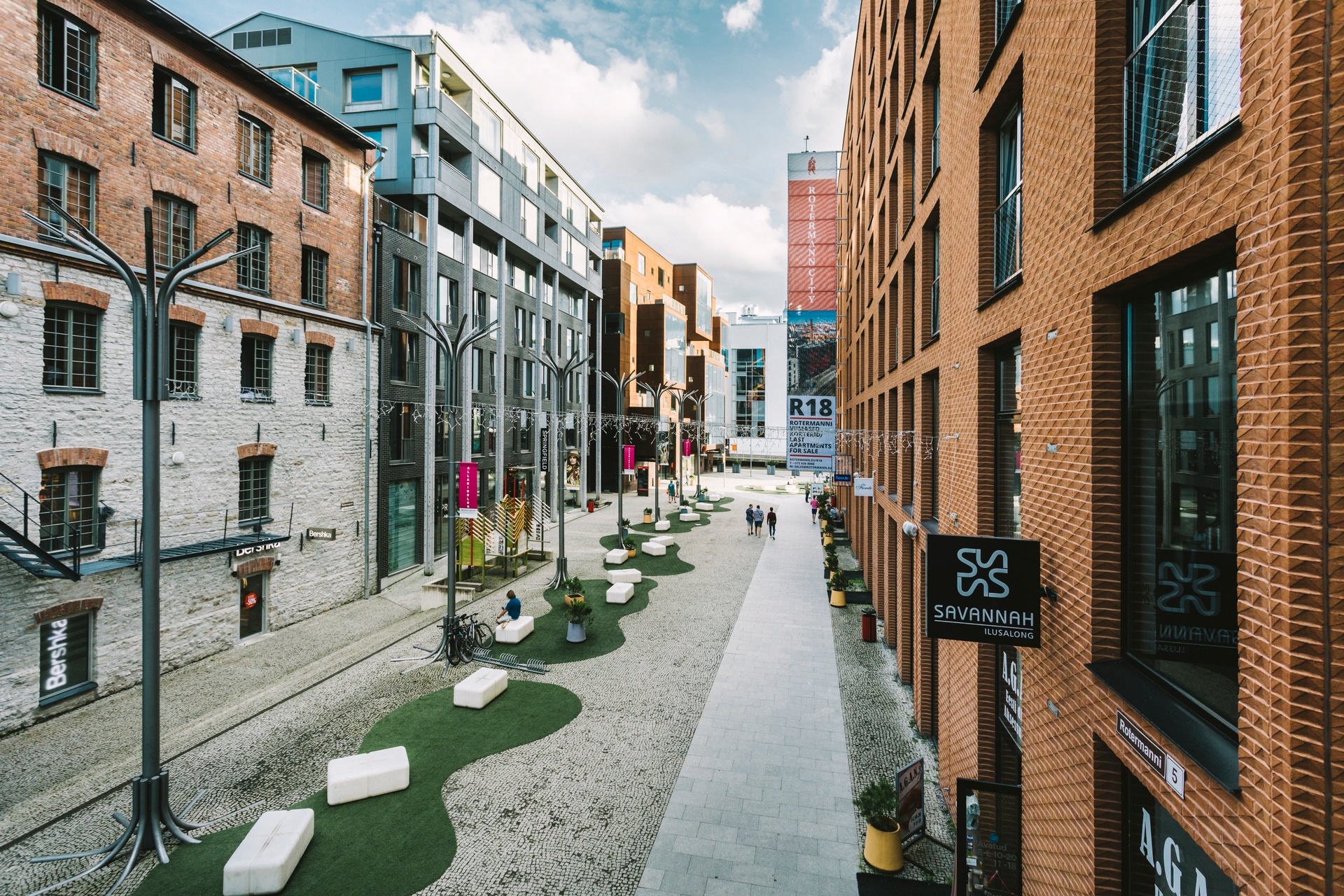

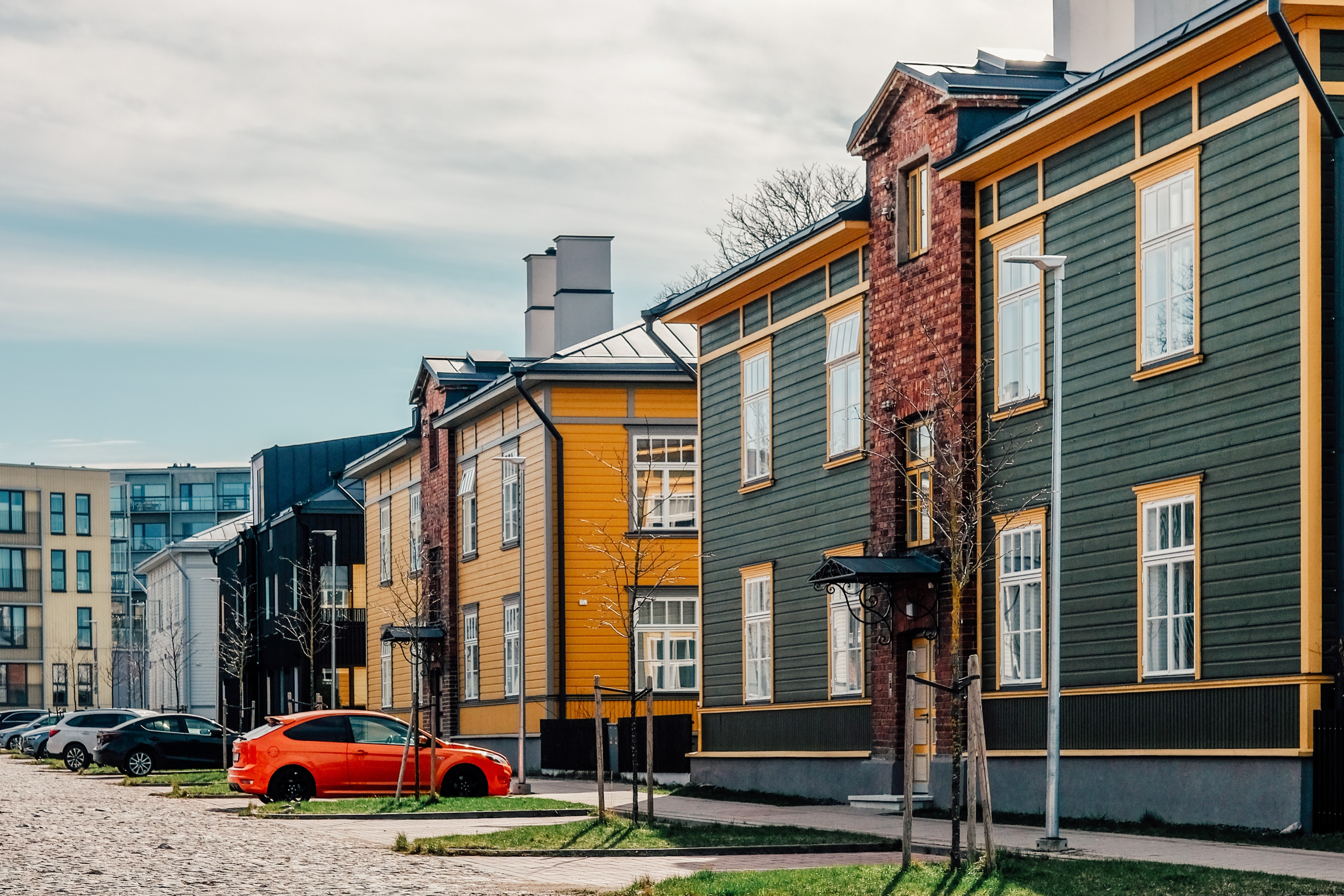
Noblessner
This former submarine factory is now one of the city's trendiest places to hang out.
Looking for more things to do in Tallinn?
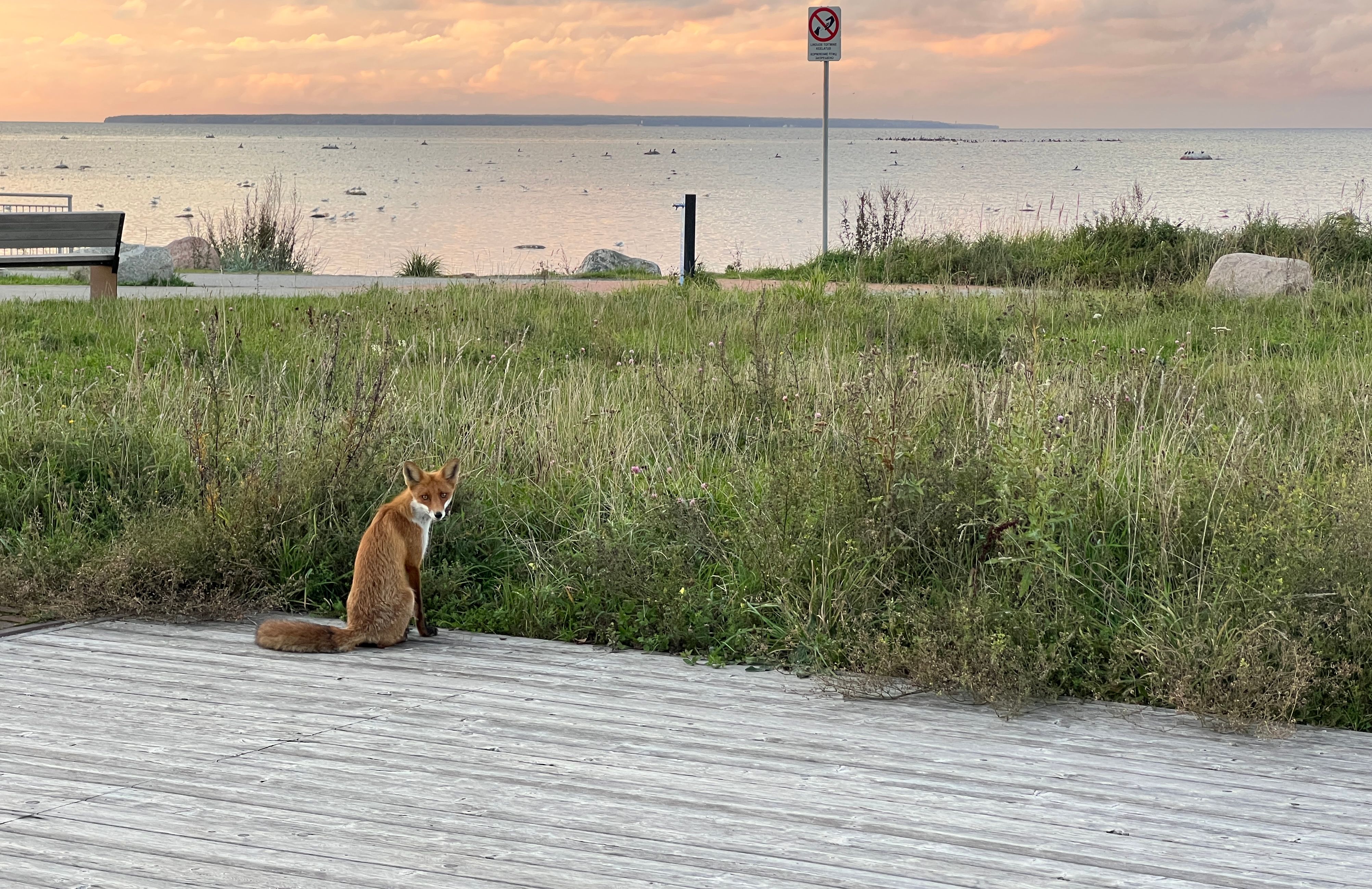
Tallinn is just the beginning...
There are plenty more towns in Estonia worth visiting!
Tartu is Estonia's "second city" — and the gateway to South Estonia. Interested in history? Check out picturesque Viljandi. Want an active holiday? Head to Otepää for excellent hiking and skiing or Pärnu for a taste of Baltic beach life. Looking to experience life on the border? Visit Narva or swing across the Estonia-Latvia border in Valga. Prefer small-town enchantment? Then Haapsalu or the charming small towns in Central Estonia should be on your list of places to visit.
If you've traveled all the way to Estonia, you're already off the beaten path. But you won't experience all Estonia has to offer unless you go even further and immerse yourself in life beyond the capital.
FAQ
Is Tallinn worth visiting?
Yes. Tallinn, the capital city of Estonia, is a beautiful Northern European capital that combines medieval architecture with modern elements, featuring a UNESCO-listed Old Town and a vibrant dining scene. The city offers its visitors beautiful waterfront promenades and a variety of cultural events throughout the year.
Do people speak English in Tallinn?
Yes. The majority of Tallinn residents who work with tourists and young people speak English fluently throughout the city. The majority of hotels, restaurants, and museums provide English services to their guests.
What to avoid in Tallinn?
The risk of pickpocketing exists in crowded locations, although such incidents remain infrequent. Overall, the city is one of the safest capital cities in Europe.
Is Tallinn cheap or expensive?
The cost of living in Tallinn is lower than in other Nordic capital cities. The cost of dining and accommodation remains affordable, but high-end restaurants and luxury hotels tend to be expensive.
How many days in Tallinn is enough?
Visitors need two to three days to discover Tallinn's Old Town, Kadriorg Palace, and museums, and to experience its cafes and waterfront scenery. Additional days in Tallinn allow visitors to visit Lahemaa National Park and explore the surrounding islands.
What is the best time to visit Tallinn?
The summer months from June to August attract the most visitors because of the pleasant weather and outdoor events. The Tallinn Christmas Market is one of Europe's premier holiday markets. The city experiences fewer visitors during the spring and autumn months, along with lower prices and smaller crowds.
What is Tallinn famous for?
The medieval Old Town of Tallinn is a UNESCO World Heritage Site because of its cobblestone streets, Gothic spires, and Town Hall Square. The city maintains its status as Europe's digital capital through its e-residency program, successful startups, and traditional Song Festival heritage.
Start planning!
Use our interactive map to find destinations, discover new activities, and design a travel plan.
Last updated
02.07.2026