

Karula National Park
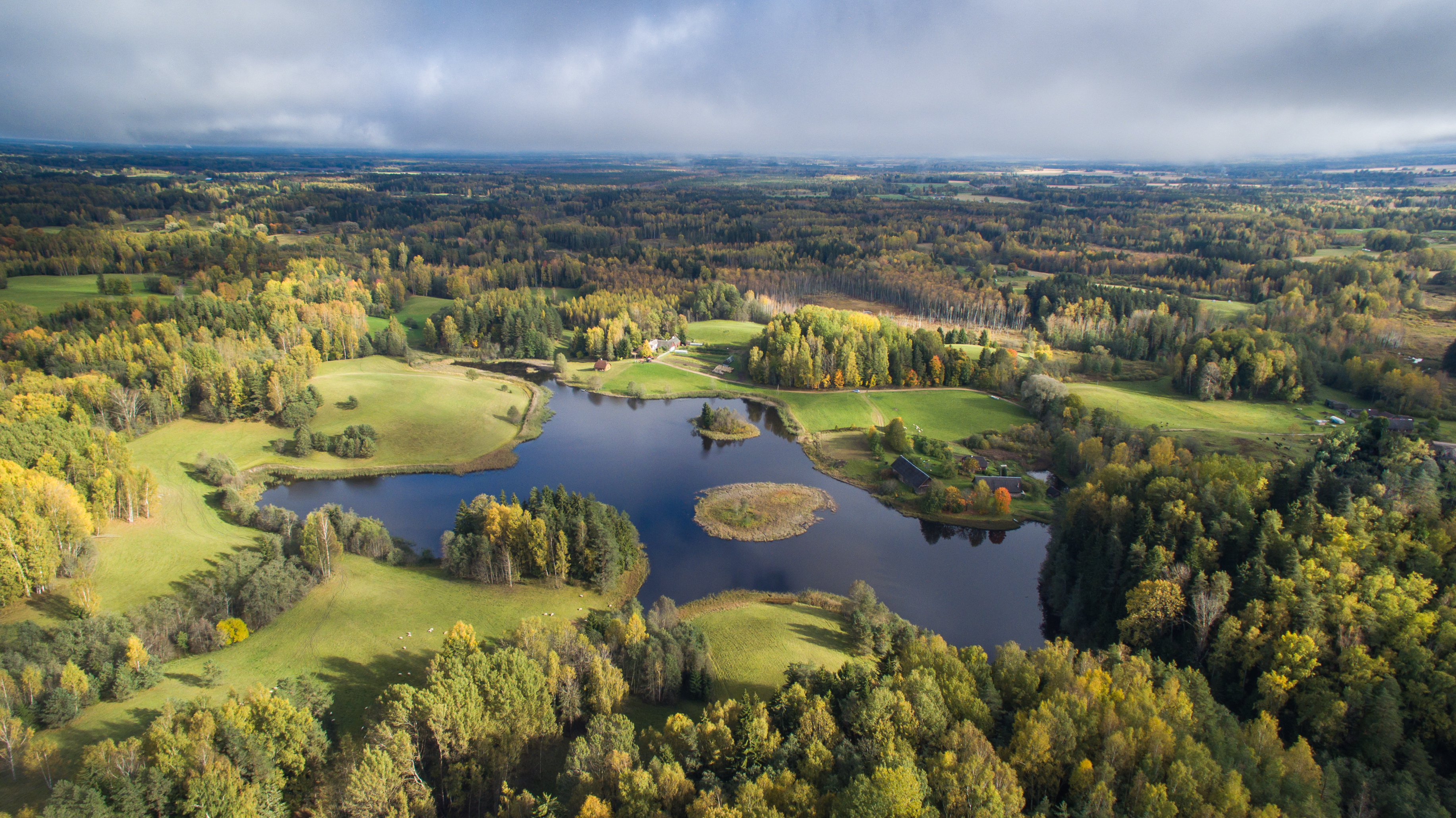
The country's smallest national park protects a landscape of gently rolling hills not typically found elsewhere in Estonia.
Small lakes dot the landscape like eyes looking up at the sky and shining in the sun.
The park's unique topography was formed at the end of the Ice Age more than 10,000 years ago. The glacial retreat left a landscape dotted with lakes, 38 of which are within the park. You'll find the visitor center next to Lake Ähijärv, Karula's largest lake; Lake Savijärv is the deepest.
Between the rolling hills are dense forests and bogs. An uninterrupted block of forest takes up almost half of Karula National Park. This high-value forested area provides the perfect habitat for large wild game, such as elk, roe deer, wild boar, lynx, wolves, and bears. Among the protected species, the most notable are the black stork, osprey, lesser spotted eagle, sand lizard, spadefoot toad, and rare daisy-leaf grape-fern.
If you're visiting Estonia and looking for a truly wild destination, Karula is a good bet.
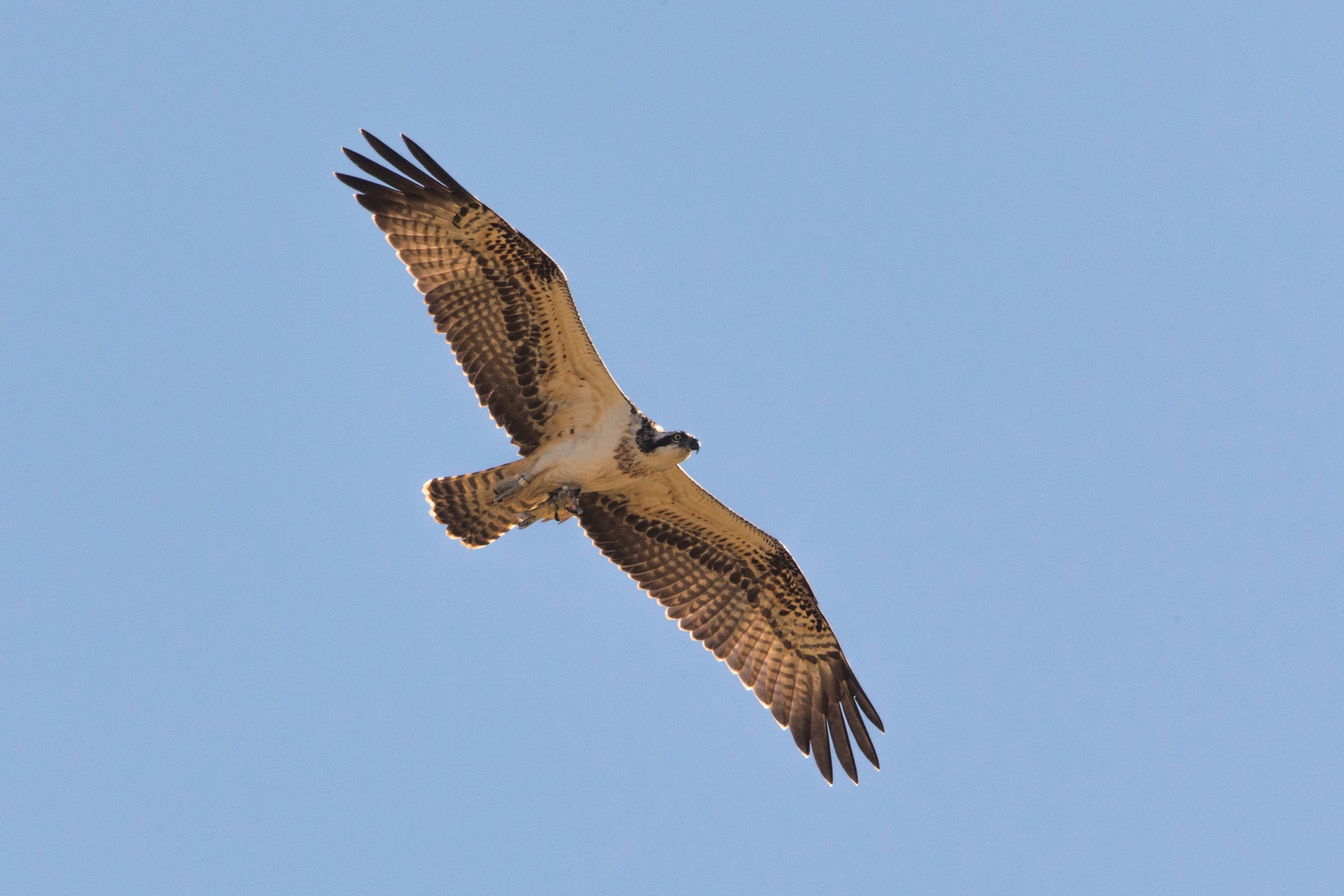
Keep your eyes on the sky and look for osprey soaring on silent wings.
Karula National Park is home to osprey (Pandion haliaetus), the smallest of Estonia’s eagles, but also the most distinctive in appearance.
"...a curious landscape unlike any I’ve seen before in Estonia."
Tom Peeters, journalist
Lose all sense of time
Not a single road runs straight in Karula.
Instead, they meander around the hills, which means it takes a little longer to get from one place to another. It’s as though the landscape tells you to slow down and take in the nature surrounding you. Climb an observation tower to admire the view of Estonia's smallest national park.
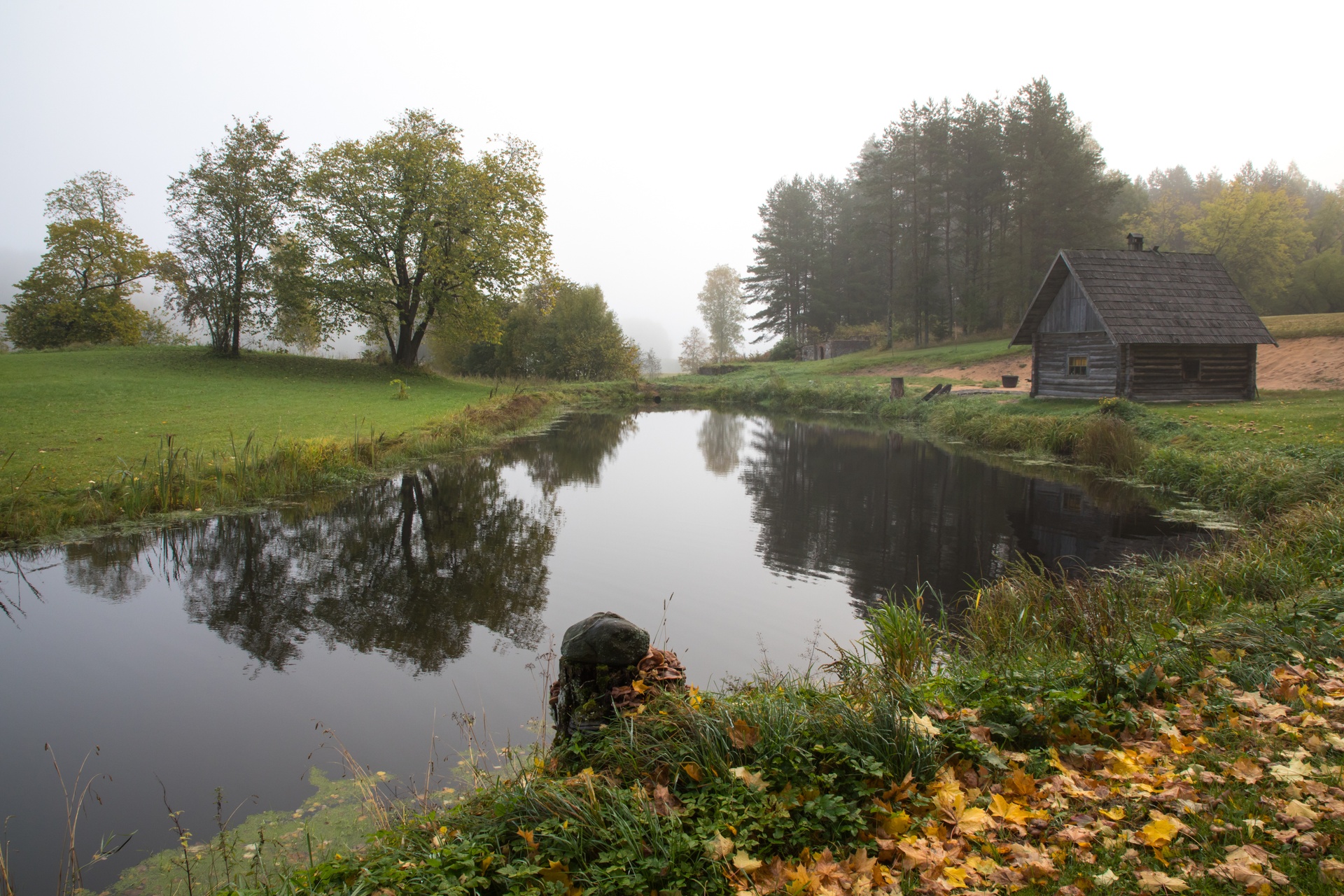
Photo author: Marti Kose
Where cultural heritage and nature connect
The northern part of the park is where you'll find a patchwork landscape of forests, fields, and pastures.
While hiking, you may come across ancient burial sites and old farm buildings that speak of Karula's rich cultural heritage. Like the region's smoke sauna traditions, the rural way of life has been passed down over the centuries. If you listen closely, you may also hear Võru, one of Estonia's local dialects.
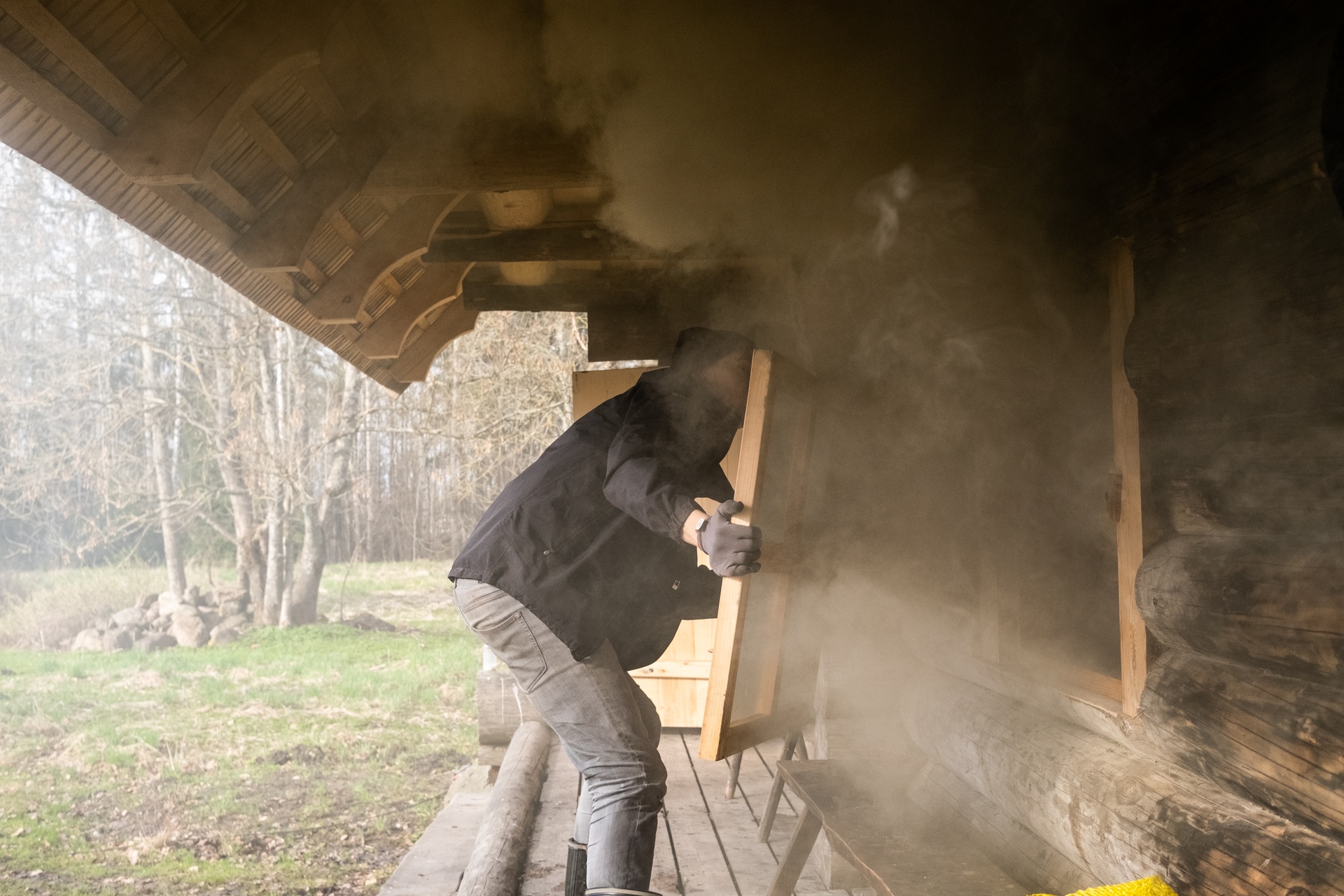
Photo author: Renee Altrov
Photo author: Rivo Veber
Covered by a quilt of snow
Every year, Karula National Park transforms into a winter wonderland.
Heavy snow bends tree branches, occasionally showering hikers who walk beneath. The landscape takes on a serene beauty, and the snow twinkles in the twilight of the short winter days. The trails become more challenging to navigate, but if you tread carefully and come prepared, that cozy cup of tea at the end of the day will taste even more rewarding.
Tartu
The gateway to South Estonia
Tartu is only two short hours from Tallinn, and some would say it's close enough for a day trip. However, this vibrant university town deserves at least a few days of exploration. Explore beyond Tartu's city limits, and there is easily enough to keep you busy for a week — or more if you slow down and roll with the rhythm of the region's gentle hills.
Tartu is a little more than an hour by car from Karula National Park, so it's a convenient base for nature lovers who need a place to rest and regroup after a multiday hiking or bikepacking trip. It's also about an hour away from two of Estonia's unique cultural regions, Setomaa and Vana-Võromaa, and about 30 minutes from the Old Believers' villages along Lake Peipsi.
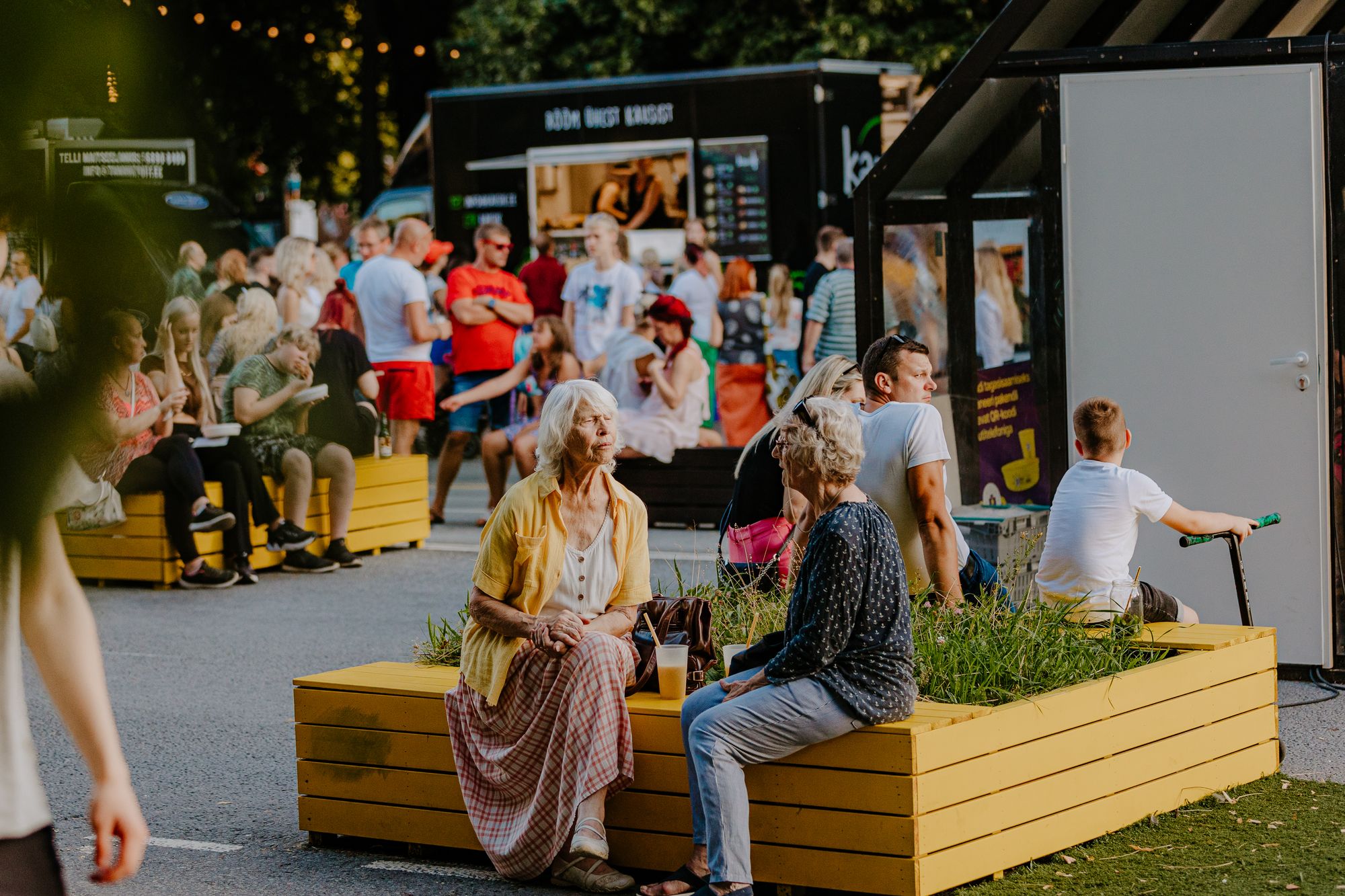
Photo author: Evelin Lumi, Visit Tartu
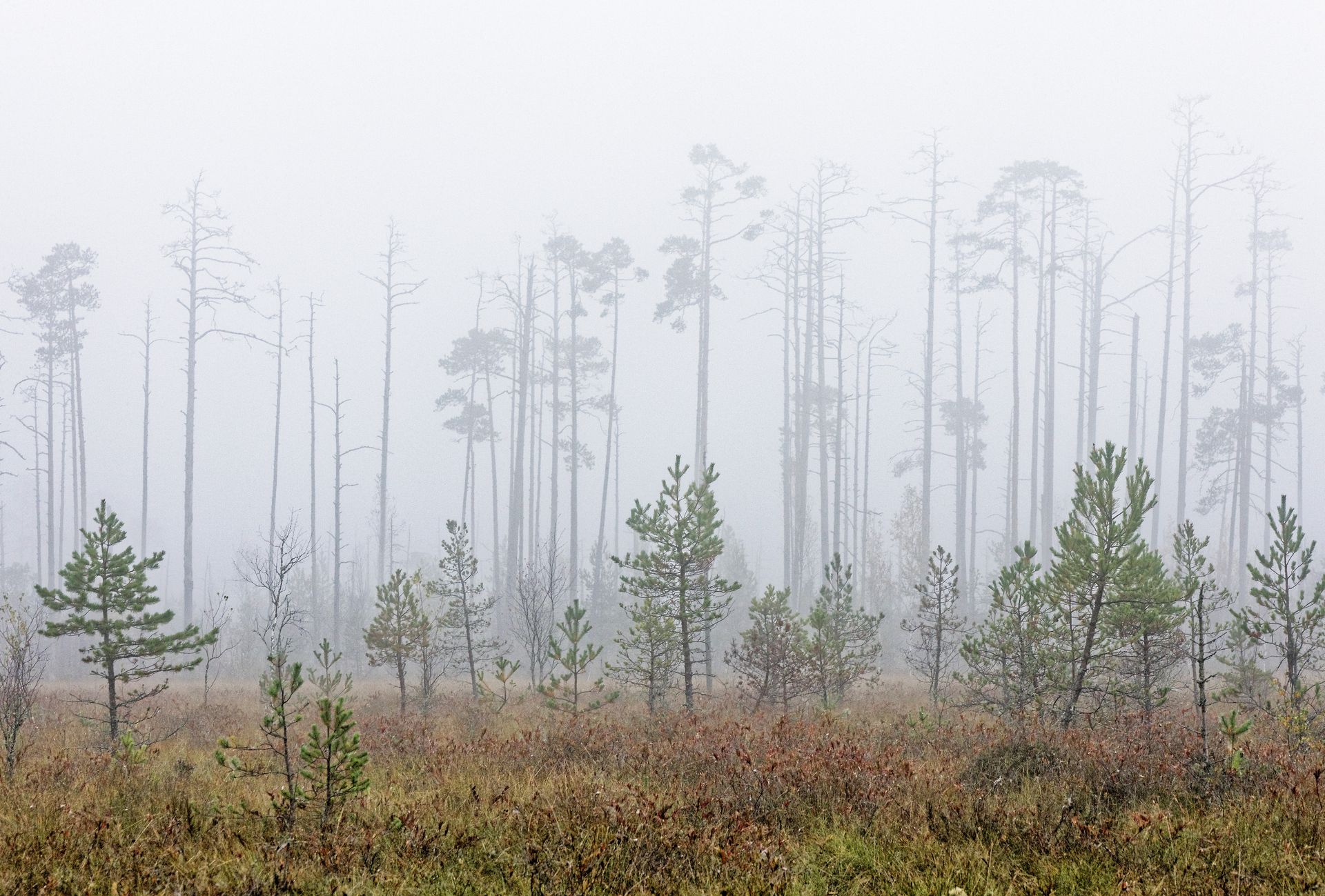
Every season has something special — and an extra season gives you extra time to see it all.
Expert tip: Exploring off-season will help off-load the pressure.
Get inspired
Last updated
11.05.2026